LIGHTING STRUCTURES
Custom Aluminum Die Cast Lighting Parts
How to balance minimum order quantity, price, lead time and quality.
When sourcing custom aluminum die cast lighting parts, buyers need quantities that fit the project, clear costs, a workable schedule and parts that meet their requirements. HSX starts with the raw aluminum casting and reviews these conditions against drawings or a physical sample, helping you decide whether the project is suitable to move forward.
1. MOQ: Start with Actual Demand and Avoid Premature Stock Commitments
HSX serves small and medium-volume custom projects. State the quantity you need for the first order and the expected quantity for repeat batches. There is no need to inflate your purchasing forecast just to request a quotation. The minimum order quantity (MOQ) is assessed for the project, taking account of the part, tooling and delivery requirements.
If you are comparing batch sizes, provide two quantities you are realistically considering. Assess the initial investment, unit price and inventory commitment together to choose a purchasing plan that fits your current project.
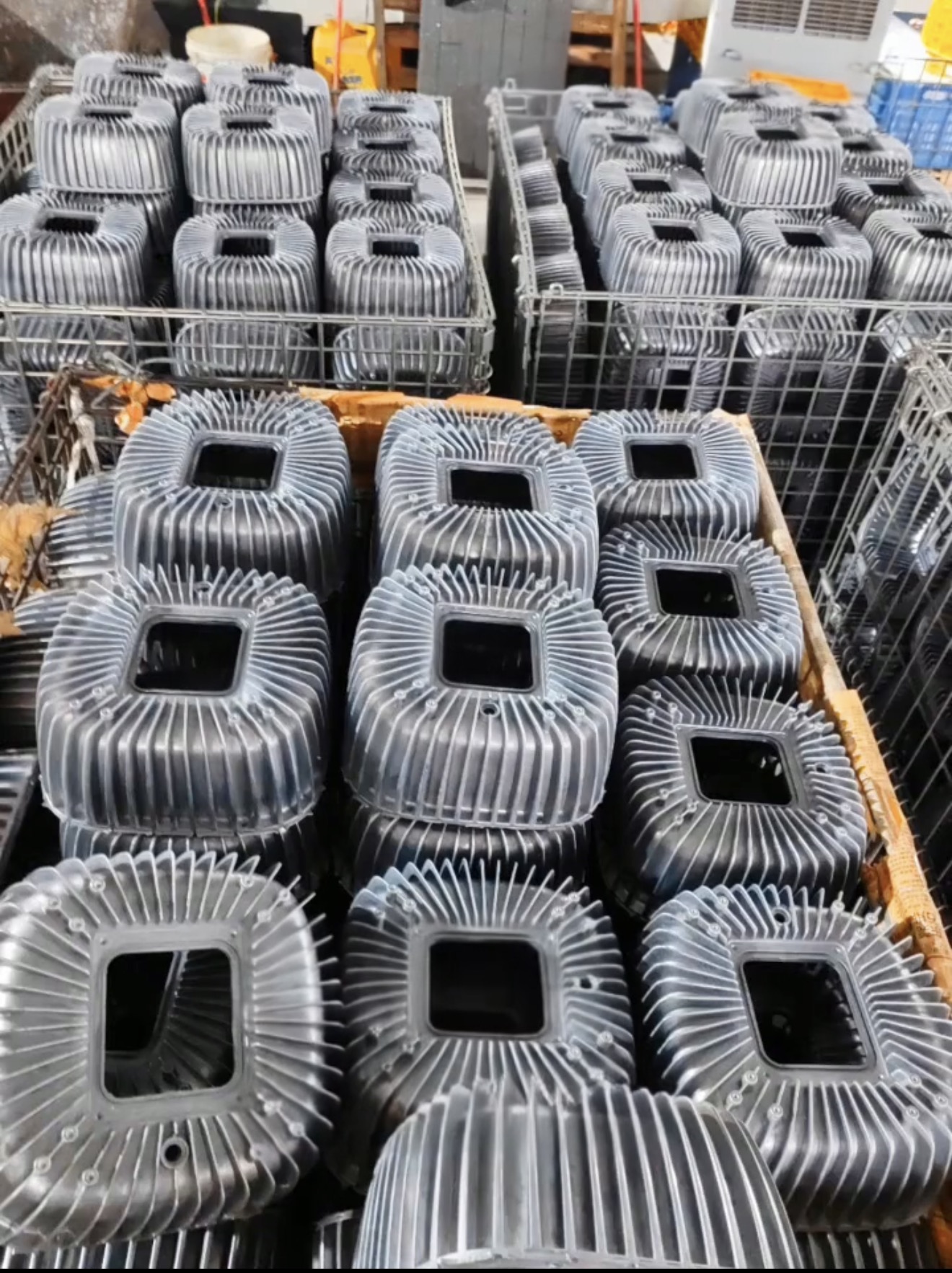
2. Price: Separate the Raw Casting Price from the Total Purchase Cost
Compare quotations against the same material, quantity, dimensions and delivery condition. Confirm tooling charges, unit prices, required machining, packing and transport separately. A raw casting and a machined part should not be compared on unit price alone.
Identify the requirements that must be met and those that can be discussed. This helps direct the budget to what the part actually needs. Before considering the cost effect of a design or process change, confirm how it would affect your requirements.
3. Lead Time: Confirm Sampling and Batch Delivery Separately
For a project requiring new tooling, confirm the timing for drawing or sample review, tooling development, trial samples, sample approval and batch delivery separately. An order using existing tooling also needs a schedule based on tooling condition, quantity and machining requirements.
Tell HSX when you need samples and the first batch. This helps assess whether the plan is workable and identify any stages that need adjustment. Allow time for your sample approval as well, so the date for first trial samples is not mistaken for the batch delivery date.
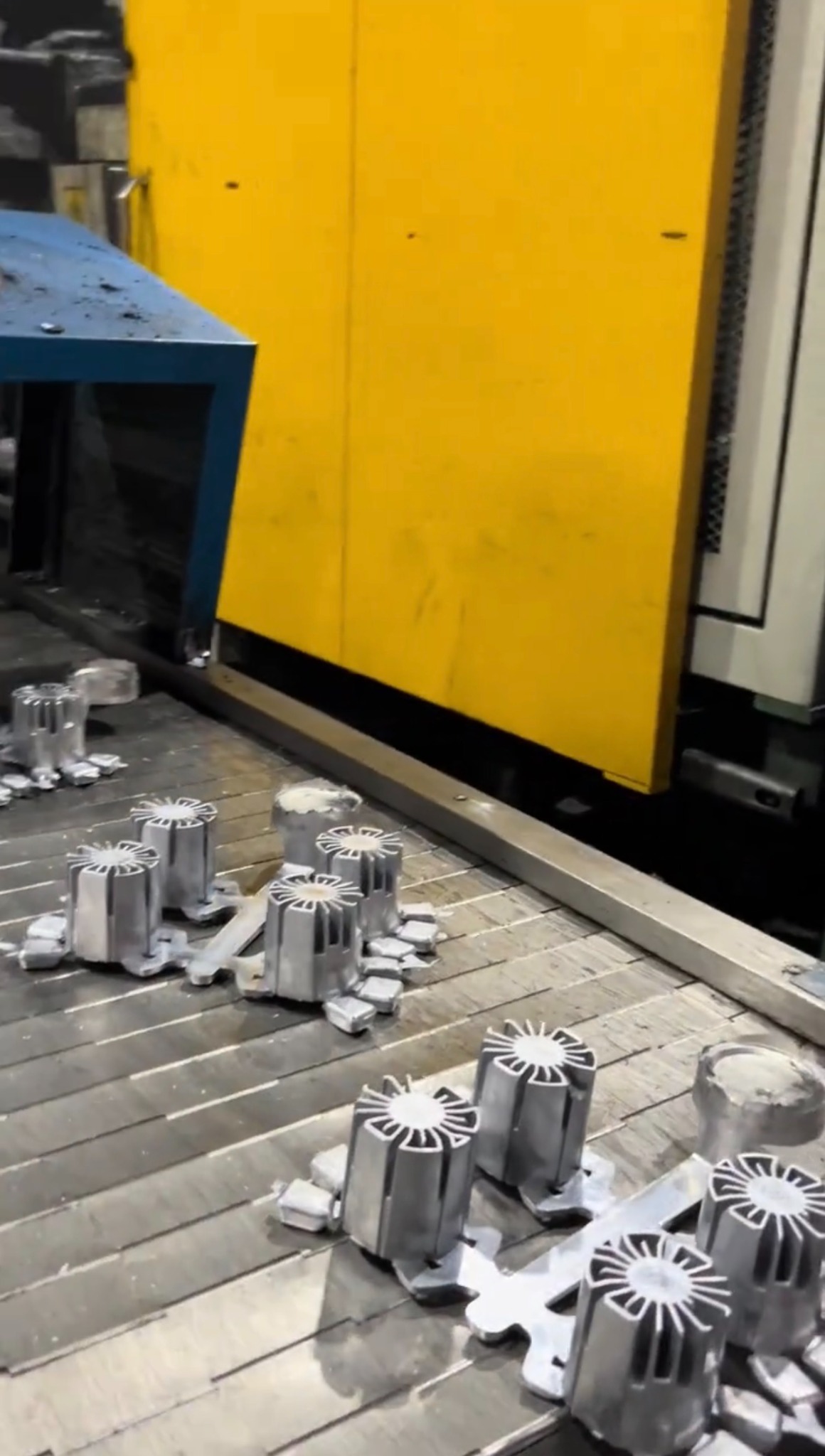
4. Quality: Agree on Acceptance Criteria Before Batch Production
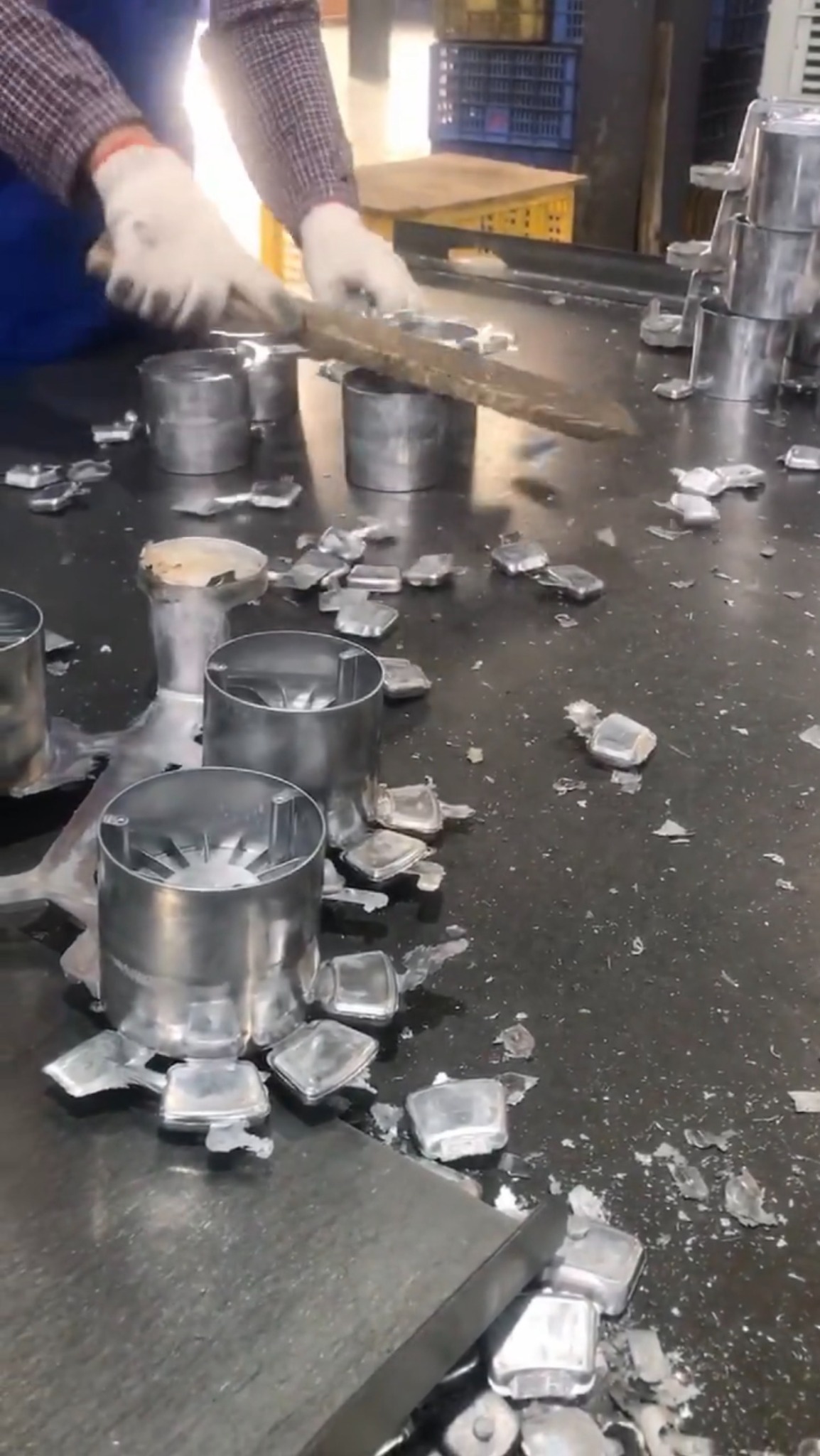
“Good quality” needs to be defined through requirements that can be checked. Clarify critical dimensions, raw casting appearance, gate remnants, flash, burrs and areas requiring subsequent machining during the sampling stage. If drawings and samples differ, agree on which revision and requirements govern.
For mating parts, you can check the relevant dimensions and suitability during sample approval, then confirm the acceptance criteria for production batches. This helps identify issues early and reduce the risk of changing requirements, reworking parts or ordering replacements after receiving a batch.
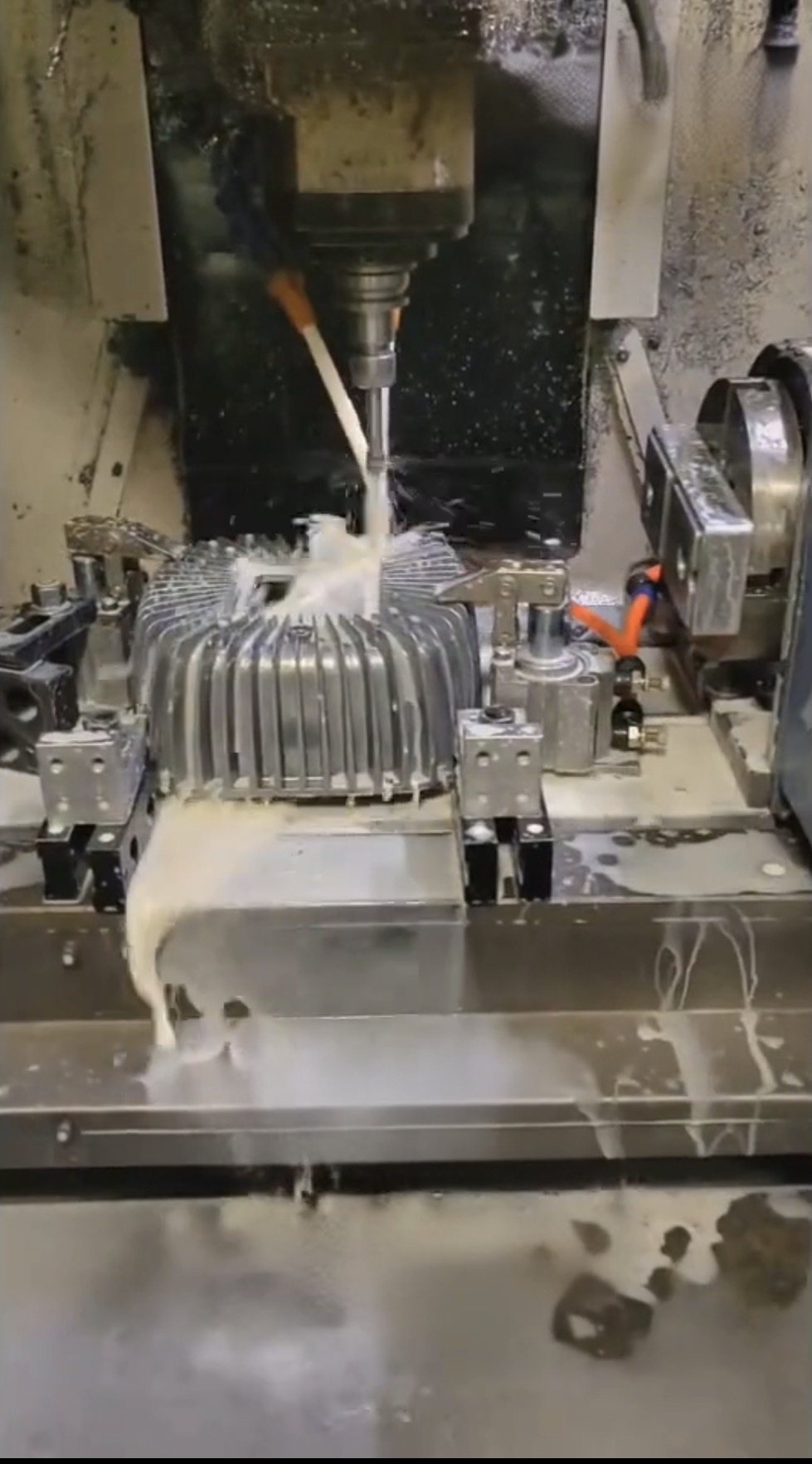
5. Machining: Define the Required Delivery Condition Up Front
For raw casting delivery, specify dimensions and allowances needed for subsequent machining. If the order also requires CNC machining, identify the machining locations, critical dimensions and acceptance criteria at quotation stage, and confirm the associated cost and timing.
You need to know the condition in which the aluminum part will be delivered, which requirements the quotation covers and how any issues will be communicated and resolved. Agreeing on these points early helps prevent requirements from being missed between casting and machining.
6. Make the First Inquiry Useful for Quantity, Cost and Timing
Photos can support an initial discussion, but they are not a basis for production. If usable production drawings are unavailable and the project is based on an existing part, a physical sample is required. When providing drawings, include the revision, material and critical requirements.
- Part information: Available 2D drawings and 3D models; provide a physical sample for development based on an existing part.
- Purchase plan: First-order quantity, repeat batch quantity and desired dates for receiving samples and goods.
- Delivery condition: Raw castings or parts with specified machining requirements, plus packing and delivery destination.
- Quality requirements: Mandatory dimensions, appearance and acceptance criteria, and the permitted scope of adjustments.
Send these details to HSX so we can assess suitable quantities, quotation conditions and delivery arrangements against your actual requirements. Open items can be discussed during the inquiry; the production basis needs to be confirmed before tooling and production begin.
For a more detailed preparation list, see the RFQ checklist for custom aluminum die casting parts.
Send Your Drawing for Project Review
Related HSX evidence
Keep the discussion anchored to the aluminum housing, its process route and the actual drawing.
Continue reading
Convert general guidance into a project-specific review.
Share a drawing, 3D file, sample or requirement so HSX can review the actual geometry, process route and finishing boundary.