RFQ Guide for OEM Aluminum Die Casting Buyers
RFQ Checklist for Custom OEM Aluminum Die Casting Parts: What Buyers Should Prepare
Preparing a clear RFQ is one of the most important steps in custom OEM aluminum die casting projects. For lighting housings, lamp brackets, covers, end caps, enclosure shells, brackets, and compact custom aluminum components, clear project information helps the factory evaluate the part scope, secondary processes, finishing direction, and next communication steps before an aluminum casting RFQ moves toward quotation.
1. Who This RFQ Checklist Is For
This checklist is written for B2B buyers preparing custom OEM aluminum die casting parts for real product programs. It is especially useful for buyers of aluminum lighting housings, lamp brackets, covers, end caps, enclosure shells, compact brackets, and other small-to-medium aluminum components.
Lighting Brands and LED Product Buyers
LED product buyers often need aluminum die casting parts for housings, brackets, covers, and enclosure shells. Before sending an RFQ, it helps to define the lamp type, mounting method, surface finishing requirement, and whether drilling, tapping, or CNC processing is needed.
Hardware, Enclosure, and Accessory Buyers
Buyers sourcing compact aluminum enclosures, covers, closure parts, mounting brackets, or end caps should prepare drawings, photos, target dimensions, assembly points, and appearance requirements before asking for a quotation.
Importers, Wholesalers, and OEM Project Buyers
Importers and OEM project buyers can use this checklist to reduce missing details during first contact. A clear RFQ helps both sides discuss whether the project fits 200T / 300T aluminum die casting capacity and related secondary processing.
2. What Part Type Do You Need?
The first RFQ detail should be the part type. A factory cannot evaluate a custom aluminum die casting project accurately if the buyer only says "aluminum part" without explaining the product form and expected use.
Lighting Housings and Lamp Brackets
For lighting-related parts, describe whether the project is a light housing, lamp bracket, mounting bracket, end cap, cover, or light enclosure shell. Buyers can also compare related examples on the aluminum light housings page and the article about aluminum die casting for LED light housings.
Covers, End Caps, and Enclosure Shells
Covers, end caps, and enclosure shells may have visible surfaces, assembly points, threaded features, and finishing requirements. These details should be included early so the factory can check process fit and finishing direction.
Compact Custom Aluminum Components
Compact custom aluminum parts may include brackets, shells, covers, handles, caps, or mounting pieces. Buyers should prepare basic dimensions, quantity expectations, and the areas that must be drilled, tapped, polished, coated, painted, or anodized.
3. Why HSX Asks About Product Application
Product application is not just background information. It can affect material selection, mold design, machining allowance, surface finishing, tolerance control, assembly requirements, and whether aluminum die casting is a suitable process for the part at all.
For example, a visible light housing, an internal bracket, an end cap, and a threaded enclosure part may need different gate planning, wall thickness review, polishing preparation, machining control, and inspection focus. HSX asks about application so the factory review can be based on the actual product use rather than only the outside shape.
How HSX Reviews an OEM Aluminum Die Casting RFQ
HSX does not quote only by part name. We review part structure, wall thickness, application, quantity, tooling needs, secondary operations, surface finishing, packing requirements, and whether aluminum die casting is the right process before quotation.
For suitable or complex projects, prototype confirmation may be discussed before mold production. This may include a 3D printed plastic prototype or a machined aluminum prototype, depending on the project. Prototype review can help reduce later mold modification risk.
Wall Thickness and Filling Risk Review Before Tooling
Wall thickness is one of the key points HSX reviews before quotation and tooling discussion.
In aluminum die casting, a thicker section does not always mean a better structure. If the wall thickness changes too suddenly, the thick section may become the slowest cooling area inside the mold. This can increase the risk of gas concentration, shrinkage, internal porosity, or unstable casting quality.
For die casting parts, good wall thickness design is not only about one thickness number. It is more about continuous, uniform, and well-transitioned geometry.
For HSX, wall thickness review is not only a quotation step. It also helps guide mold design decisions before mold manufacturing starts.
HSX reviews wall thickness, filling risk, and cooling logic before tooling. These risks are then considered during die casting mold design, including gate, runner, overflow, venting, and related tooling layout before mold manufacturing starts.
For complex or higher-risk parts, CAD drawings and STEP / STP 3D files help HSX review wall thickness direction, structure complexity, and possible filling risks more accurately.
Send CAD drawings and STEP / STP files for project review.
Request Project Review4. Prepare Drawings, 3D Files, or Sample Photos
Drawings and 3D files are the most useful RFQ materials for custom OEM aluminum die casting. If complete files are not ready, sample photos, existing part photos, and basic measurements can still help start the first evaluation.
2D Drawings and Key Dimensions
A 2D drawing should show key dimensions, hole positions, threaded features, tolerance requirements, visible surfaces, internal component areas, and assembly points. If only a sketch is available, mark the most important dimensions and inspection areas clearly.
3D Files for Geometry Evaluation
3D files such as STEP, STP, IGS, IGES, STL, and X_T help the factory understand geometry, wall structure, parting direction, machining allowance, and areas that may need secondary processing. They are also useful when the part has complex surfaces, internal features, or assembly interfaces.
Sample Photos When Drawings Are Not Complete
If drawings are not ready, send clear sample photos from multiple angles with approximate size, product application, material expectation, visible surface requirement, internal component requirement, surface finishing direction, and quantity plan. This helps the factory decide what additional information is needed.
5. Confirm Quantity, Material Expectations, and Project Stage
Custom die casting quotation depends on both the part and the project stage. Buyers should explain whether the project is in early development, sample-stage evaluation, small-batch planning, or repeat order planning.
Sample-Stage Evaluation
If the project is still at the sample stage, tell the factory which details must be checked first, such as appearance, mounting features, drilling, tapping, finishing, or packaging.
Small-to-Medium Batch Planning
HSX DIECASTING focuses on small-to-medium OEM / ODM customization projects. Buyers should share target quantity and future order expectations so the factory can evaluate whether the project fits its production scope.
Material Expectations
If the buyer already has material expectations, mechanical concerns, surface appearance requirements, or restrictions from the final assembly, these should be included in the RFQ. HSX can then review whether aluminum die casting is practical or whether another material or process should be considered.
6. List Machining and Feature Requirements
Many aluminum die casting parts need secondary processing after casting. RFQ details should clearly show holes, threaded features, mounting areas, assembly surfaces, slots, and any areas that need additional machining.
Multi-Axis Drilling Requirements
If the part requires drilled holes on different faces, mark the hole positions, hole size, hole depth, and the surface where each feature is located.
Multi-Axis Tapping and Threaded Features
Threaded features should be listed with thread size, depth, position, and assembly purpose. This helps the factory evaluate tapping requirements after casting.
Partner-Supported CNC Turning / CNC Machining
Some projects require CNC turning or CNC machining after die casting. When required by the project, HSX can coordinate CNC turning or CNC machining with partner resources. Buyers should include CNC requirements in the RFQ so these features can be evaluated at the beginning.
7. Choose Surface Finishing Requirements
Surface finishing can affect appearance, handling, and project communication. Buyers should describe the target finish instead of waiting until the quotation stage.
Polishing and Grinding
Polishing and grinding may be used for selected surfaces before coating, painting, or other appearance finishing steps. Mark the visible areas and areas where surface treatment matters.
Powder Coating and Paint Spraying
HSX supports in-house powder coating and spray painting for suitable custom aluminum parts. Buyers should provide color expectations, appearance references, color samples or color cards when custom spray painting is needed, and any packaging-related surface protection needs.
Aluminum Anodizing
Aluminum anodizing can be coordinated with partner resources for suitable aluminum die casting projects when required by the project. Buyers should provide finish direction and appearance expectations early. For projects with visible metallic color requirements, buyers can review HSX's guide to aluminum die casting parts for anodizing evaluation before sending drawings and sample photos.
RFQ Details Help Us Review the Right Process
Complete RFQ details help HSX review whether aluminum die casting, secondary operations, and finishing steps are suitable before quotation. They also help confirm trimming, drilling, tapping, custom spray painting, QC, and packing requirements early.
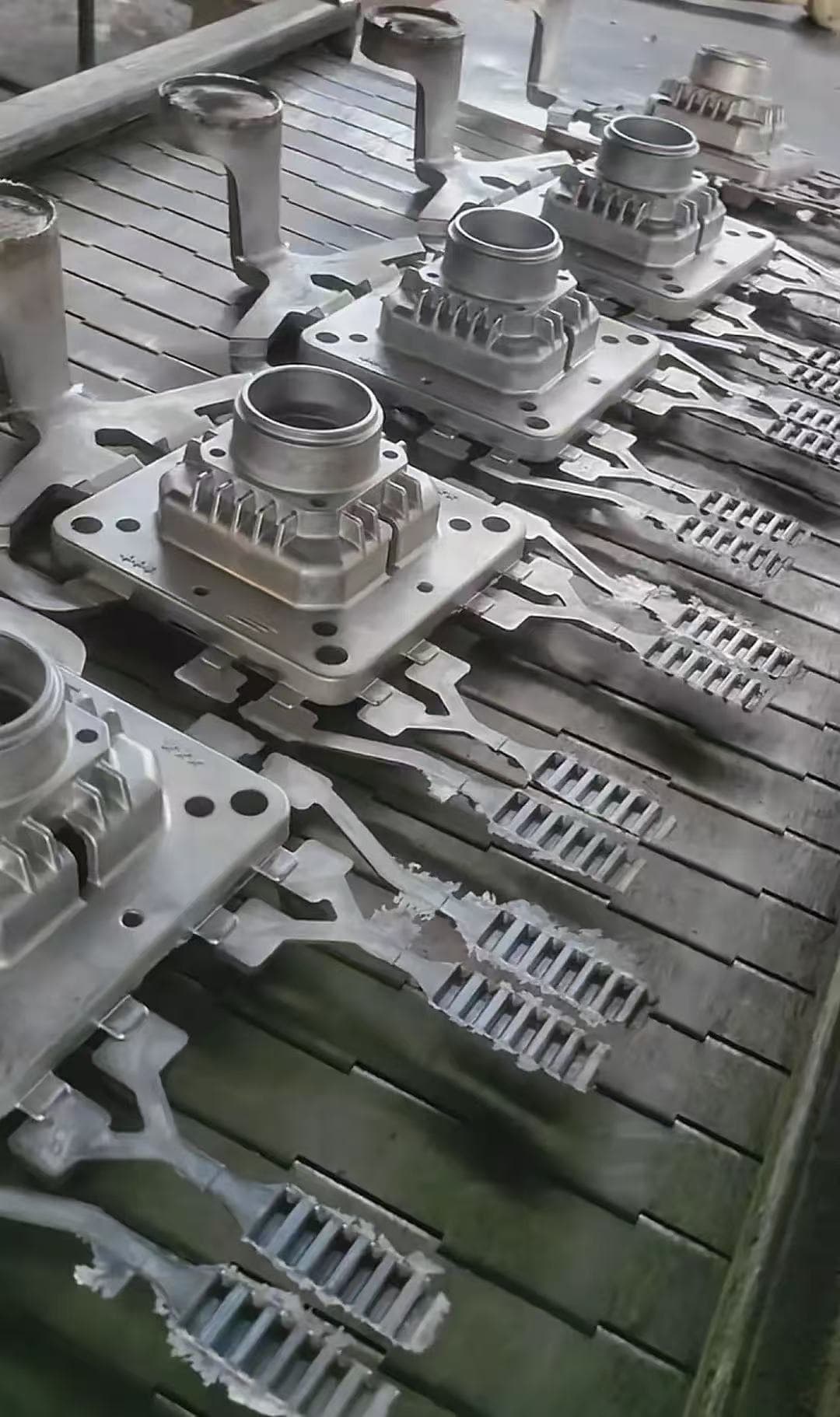
Batch die-cast parts before trimming
Part size, casting structure, trimming needs, and quantity help us review production suitability before quotation.
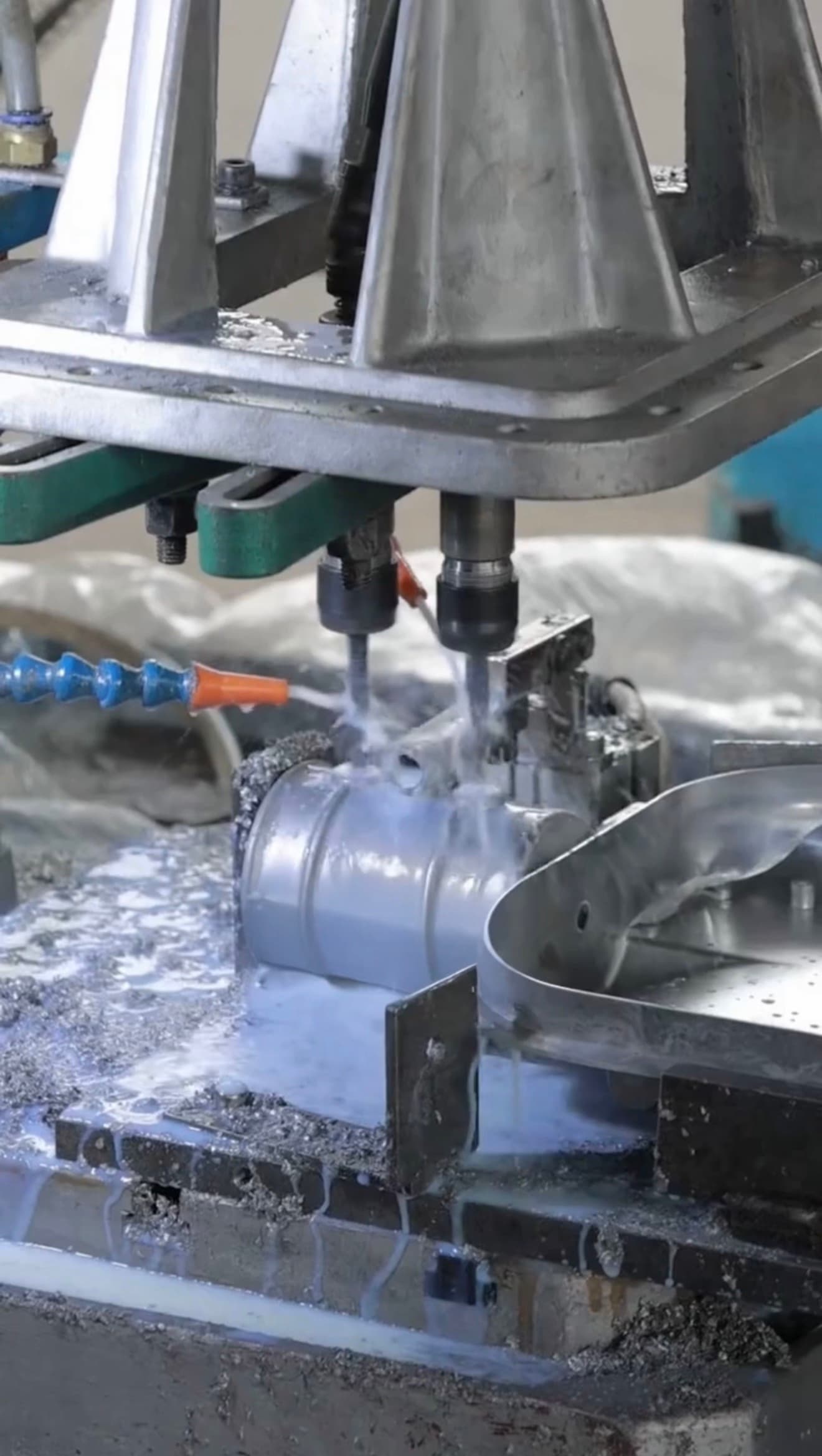
Fixture-supported drilling review
Hole size, thread type, depth, position, fixture direction, and cooling needs should be included when drilling or tapping is required.
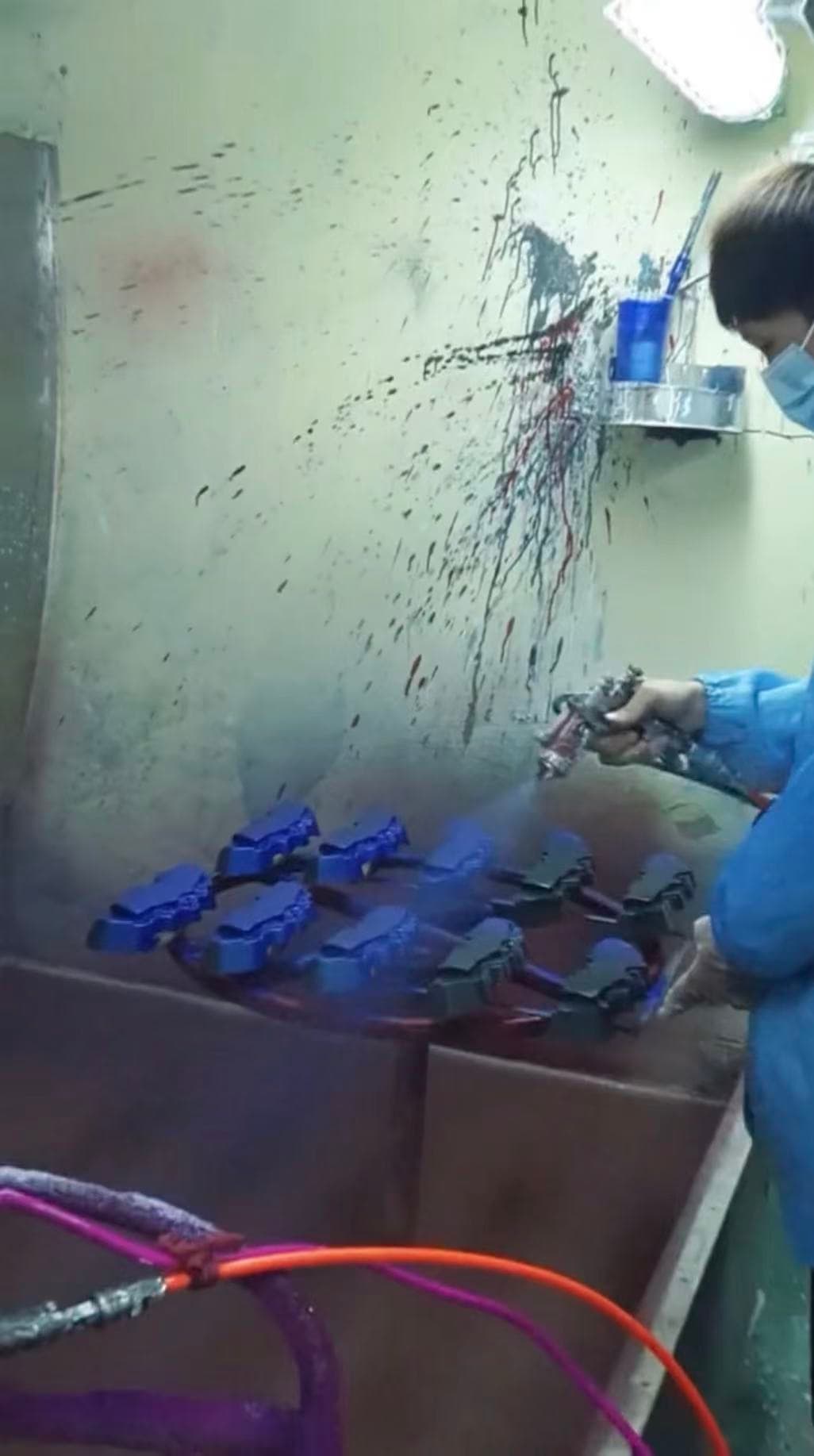
Custom spray painting requirements
If custom spray painting is required, send color samples, color cards, appearance expectations, and visible surface requirements.
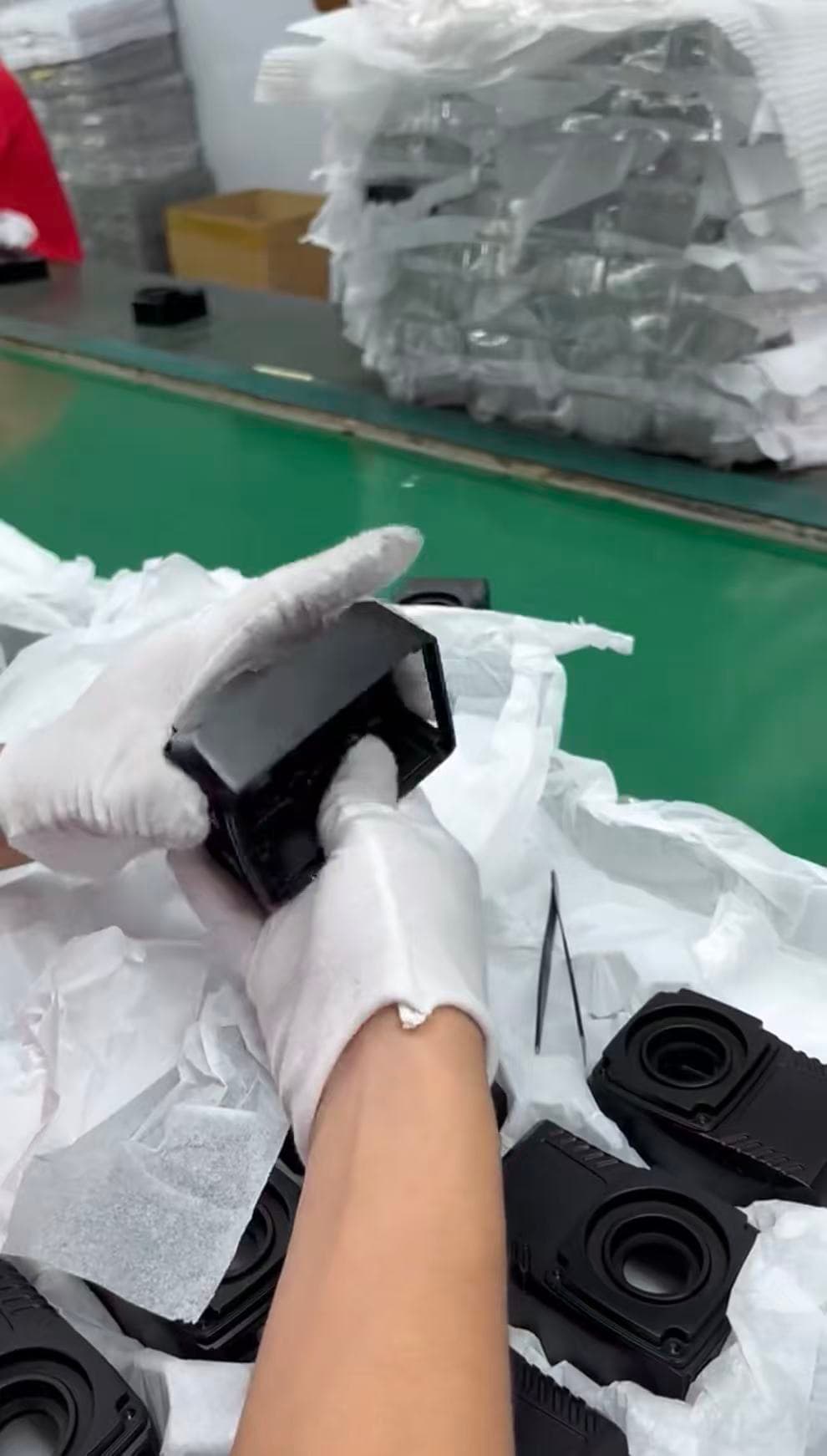
QC check before packing
Inspection requirements, visible surface standards, and packing readiness should be clarified before batch delivery planning.
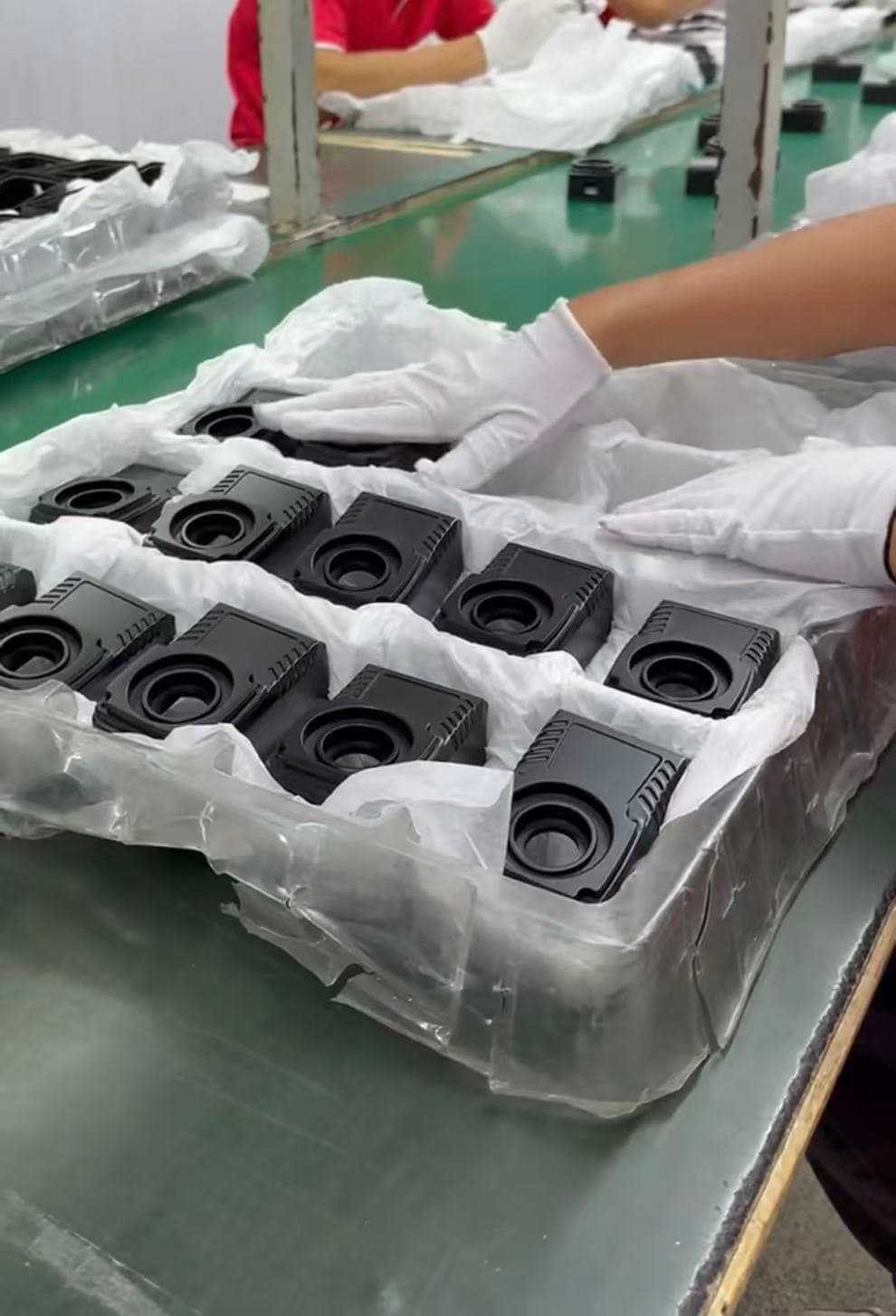
Packing requirements
Bulk packing, individual wrapping, label needs, surface protection, and export box details should be included in the RFQ.
8. Prepare Packaging and Market Requirements
Packaging details are often missing from early RFQs, but they can affect project planning. Buyers should state whether the part needs bulk packing, individual packing, private-label packaging, labels, instructions, or special export box requirements.
OEM / ODM Packaging
If the project includes OEM / ODM packaging, provide label requirements, logo files, package size ideas, and any destination market information that affects packing style.
9. Suitable Project Review at HSX DIECASTING
HSX DIECASTING is operated by Foshan Huashunxiang Hardware Products Factory, a Foshan-based manufacturing factory in Guangdong, China. HSX evaluates OEM small-to-medium aluminum die casting parts such as lighting housings, lamp brackets, end caps, enclosure shells, covers, brackets, and compact custom aluminum parts.
HSX supports 200T / 300T aluminum die casting machines, in-house trimming, deburring, flash removal, drilling, tapping, polishing, powder coating, spray painting, QC, and packing. CNC machining and anodizing can be coordinated with partner resources when required by the project.
HSX reviews whether the project fits its equipment, mold experience, machining capability, finishing process, and production control. The review is intended to confirm a practical production route before accepting the project.
HSX does not blindly accept every inquiry. If another material or process may provide better quality, lower cost, or fewer production risks, HSX will explain this before accepting the project.
Buyers can compare this scope on the OEM aluminum die casting parts page and read the AEO guide on where to find a precision aluminum die casting factory in China.
10. Practical RFQ Checklist Summary
Before contacting a factory, prepare the following RFQ details so HSX can review the project application, part structure, machining needs, finishing route, and production fit more clearly:
- 2D drawings with dimensions, tolerance notes, visible surfaces, hole positions, and assembly areas
- 3D files such as STEP, STP, IGS, IGES, STL, or X_T for geometry review
- Sample photos, existing part photos, or reference photos when drawings are incomplete
- Product application and where the part will be assembled or used
- Target quantity, sample-stage needs, and repeat-order expectations
- Material requirements, material expectations, or known material restrictions
- Visible surface requirements and internal component or assembly requirements
- Tolerance requirements, hole position requirements, and thread requirements
- Machining, drilling, tapping, or partner-supported CNC machining requirements if needed
- Surface finishing requirements such as polishing, grinding, powder coating, spray painting, or partner-supported anodizing review for suitable projects
- Color sample or color card if custom spray painting is needed
- OEM / ODM customization, packing requirements, label, and export packing requirements
Buyers who are still comparing suppliers can also read how to choose an aluminum die casting manufacturer in China.
11. Send Your RFQ to HSX
To start an OEM aluminum die casting project evaluation, send 2D drawings, 3D files, sample photos, existing part photos, product application, target quantity, material requirements, tolerance requirements, hole position requirements, thread requirements, machining / drilling / tapping requirements, surface finishing requirements, color sample if custom spray painting is needed, and packing requirements by email or WhatsApp.
For direct contact details, visit the HSX contact page or use the RFQ buttons below.
Related HSX pages
Send your custom aluminum die casting RFQ to HSX
Send 2D drawings, 3D files such as STEP, STP, IGS, IGES, STL, or X_T, sample photos, existing part photos, product application, target quantity, material requirements, tolerance notes, machining / drilling / tapping requirements, surface finishing requirements, color sample if custom spray painting is needed, and packing details by email, contact page, or WhatsApp.